
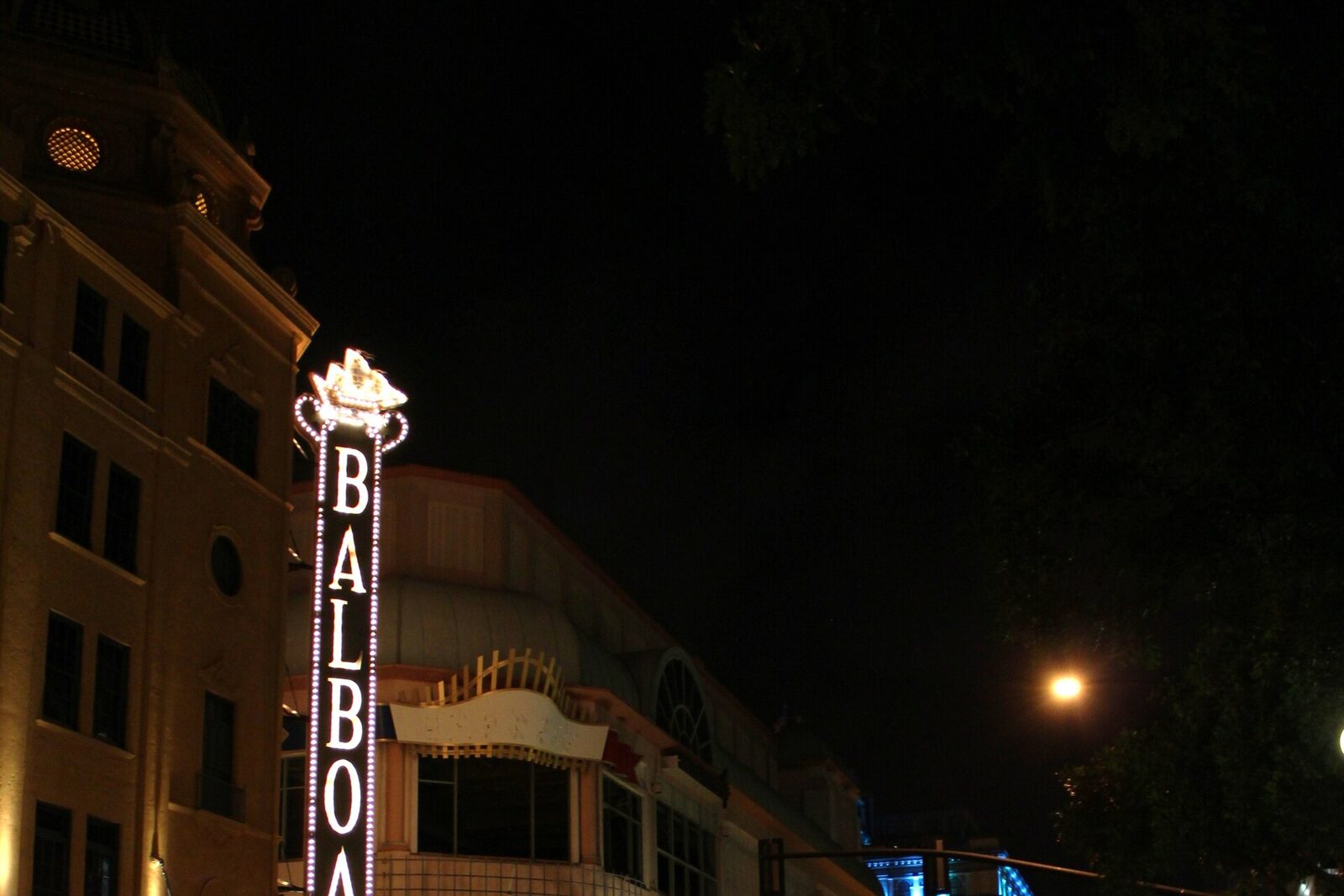
Central San Diego
Living in Downtown San Diego: The Complete Neighborhood Guide
Eight distinct urban neighborhoods in one, from Little Italy's dining scene to Gaslamp's nightlife to Marina District's waterfront towers, all within a genuinely walkable core
The Vibe
Downtown San Diego has transformed into one of Southern California's premier urban living destinations, offering everything from luxury waterfront high-rises to historic lofts and busy entertainment districts. Whether you're looking for walkable living, skyline views, luxury condominiums, or easy access to the city's best restaurants, Downtown San Diego offers a neighborhood to match nearly every urban lifestyle.
People move downtown for one simple reason: lifestyle. Residents enjoy walking almost everywhere, serious dining, waterfront living, entertainment, professional networking, luxury condo amenities, sporting events, public transportation, and airport convenience. Unlike suburban neighborhoods, downtown buyers are purchasing an experience as much as a home: individual downtown addresses post Walk Scores of 97 to 98, among the highest in San Diego County, with residents able to walk to an average of 32 restaurants, bars, and coffee shops within 5 minutes.
Live here if…
- You want to walk almost everywhere: Walk Scores of 97 to 98 at individual downtown addresses.
- You want genuine variety within a single urban core: Downtown is not one neighborhood but eight distinct communities, from Little Italy's neighborhood-scale dining to Columbia District's high-rise towers to Gaslamp Quarter's historic nightlife district
- You want a dining scene that can compete with any city in the country: all 10 restaurants named as Downtown local favorites are located within Downtown's boundaries, a clean result across a broad, multi-neighborhood area.
- You want direct waterfront access and top-tier outdoor entertainment: Waterfront Park, the Embarcadero, Seaport Village, and the Rady Shell at Jacobs Park, an $85 million, 10,000-capacity outdoor venue that hosts the San Diego Symphony, all sit within Downtown's boundaries
- You want genuine convenience for air travel and regional commuting: San Diego International Airport is roughly 10 minutes away, with direct access to the Trolley, COASTER, Amtrak, and Interstate 5
- You are an executive, entrepreneur, remote worker, physician, attorney, empty nester, investor, or second-home buyer, notably the only neighborhood where 'families' does not appear as a primary buyer segment.
Maybe not if…
- You are prioritizing a traditional family neighborhood with strong assigned schools: there is no elementary school located within Downtown's boundaries, with families typically relying on charter options like the highly distinctive but small e3 Civic High School (housed inside the Downtown Central Library) or a drive to nearby neighborhoods.
- You want a quiet, low-density residential feel across the entire area: Gaslamp Quarter and East Village carry genuine nightlife noise and foot traffic that Cortez Hill and parts of Columbia District were specifically built to avoid, so sub-area choice matters enormously here
- You want a large single home with a private yard: Downtown's housing stock is almost entirely condominiums, lofts, and high-rise residences, with essentially no detached single-family inventory
- You want to avoid a still-evolving urban core: Horton Plaza, the former downtown shopping mall within the Core neighborhood, has sat partly demolished amid financial troubles and a stalled redevelopment as of this writing, and the broader $3.8 billion Seaport San Diego redevelopment of Seaport Village is still years from breaking ground.
- You want a large single confident population or price figure: population estimates range from roughly 37,000 to more than 105,000 depending on the boundary definition used.
- You want ample free parking: like most dense urban cores, Downtown living generally assumes garage parking within your building rather than street parking, a genuine cost to factor into any HOA or purchase decision
Neighborhood DNA
How Downtown scores across the lifestyle factors that actually shape day-to-day life.
Family Friendly is a lower-rated dimension; no elementary school is within Downtown's boundaries, and Cortez Hill is the only sub-area identified as family-oriented.
Schools are not rated. e3 Civic High School (7/10 on GreatSchools) is a distinctive charter high school housed inside the Downtown Central Library in East Village, but no elementary school is within Downtown itself; Washington Elementary (3/10) serves the Little Italy portion specifically.
Walkability is excellent; Walk Scores of 97 to 98 at individual downtown addresses are among the highest of any neighborhood.
Dining is excellent; all 10 restaurants named as Downtown local favorites are located within Downtown's boundaries, a clean result across a broad, multi-neighborhood area.
A genuine strength given Downtown's density of independent cafes and brunch destinations like Morning Glory.
Outdoor Recreation is strong; Waterfront Park, the Embarcadero, Ruocco Park, Harbor Island, and bayside walking paths give Downtown a genuinely strong outdoor profile despite lacking ocean beach access.
Entertainment is excellent; Gaslamp Quarter's historic nightlife district and rooftop bar scene make Downtown's nightlife among the strongest in San Diego County.
Genuine neighborhood-scale community identity within neighborhoods like Little Italy and Cortez Hill, tempered by Downtown's overall transient, tourism- and business-driven character.
Luxury Condos are excellent; Columbia District and Marina District's high-rise towers and penthouses represent some of the most concentrated luxury inventory.
Investment Potential is excellent; a median condo price ($737,252) is below San Diego County's broader median home price, a genuine relative value proposition despite Downtown's luxury positioning at the top end.
Investment Potential is excellent; Downtown's population growth, walkability, and dining reputation have historically supported strong demand, tempered by genuine uncertainty around the Horton Plaza and Seaport San Diego redevelopment timelines.
A median age of 37 and a buyer profile skewing toward executives, entrepreneurs, remote workers, and young professionals make Downtown one of the strongest fits for this segment.
A genuine fit for empty nesters and downsizers specifically, though less central to Downtown's identity than young professionals or executives.
The Embarcadero's waterfront promenade and Downtown's overall walkability support pet ownership, tempered by a housing stock of condos and high-rises rather than yards.
Waterfront Park, Ruocco Park, Horton Plaza Park, and proximity to Balboa Park (minutes away) give Downtown a genuinely strong park profile for an urban core, though less green space than San Diego's suburban neighborhoods.
Seaport Village, Gaslamp Quarter's boutiques, and Little Italy's retail corridor provide genuine walkable shopping, tempered by the former Horton Plaza mall's unresolved, partly demolished status.
Commute times are 10 minutes to the airport, 10 minutes to Balboa Park, 10 minutes to Coronado, and 15 minutes to Mission Valley, making Downtown one of the most centrally located neighborhoods.
Waterfront Access is good, reflecting genuine bay access, but Downtown has no ocean beach; the nearest ocean beach is a genuine 20-plus minute drive.
Gaslamp Quarter's historic buildings and Little Italy's early-20th-century immigrant history give parts of Downtown genuine historic character, though much of Columbia District, Marina District, and East Village consists of recent high-rise construction.
East Village and the Ballpark District in particular continue to add new high-rises, loft buildings, and mixed-use developments, among the most active new-construction activity.
A genuine mix of Gaslamp Quarter's Victorian-era historic buildings, Little Italy's early-20th-century structures, and contemporary high-rise towers throughout the rest of Downtown.
The combination of 8 distinct neighborhoods within a single walkable core, from historic Gaslamp Quarter to brand-new East Village towers, makes Downtown structurally unlike any other single neighborhood.
One of the least private neighborhoods overall, given its tourism, nightlife, and business-neighborhood character, though Cortez Hill offers a genuine quieter alternative.
The Market
Price range
Trend
A median condo sale price of $737,252 (Redfin, May 2026, down 1.7% year over year), with a separate median list price of $850,000. Both are given the divergence between list and sale price data in this market.
Luxury segment
- • Columbia District's tallest residential towers and penthouses
- • Marina District's waterfront-view condominiums
- • Little Italy's Savina and Pacific Gate towers
HOAs & lots
Universal. Downtown's housing stock is almost entirely condominiums and high-rise residences, so HOA dues, building amenities, and reserve fund health are central considerations for every purchase here, more so than in any other neighborhood.
Home Styles
Downtown offers luxury high-rise condos, historic lofts, modern apartments, penthouses, mixed-use residences, and boutique condominium buildings. Most buyers prioritize views, building amenities, walkability, and lock-and-leave convenience over square footage or yard space, a genuinely different calculus than in San Diego's suburban neighborhoods.
Schools
Local Favorites
coffee
A celebrated Little Italy brunch and coffee destination.
eats
A Little Italy steakhouse from the CH Projects restaurant group.
A Michelin-recognized Mediterranean restaurant by chef Travis Swikard at 1195 Island Ave in East Village, opened 2021.
A modern Asian steakhouse led by James Beard Finalist chef Tara Monsod at 969 Pacific Hwy, in the landmark Pacific Gate Tower area.
A Little Italy restaurant from chef Brian Malarkey.
A Little Italy seafood restaurant, following a brief 2026 renovation closure.
A chef-driven Mexican restaurant at 1290 F St in East Village.
A neighborhood fine-dining steakhouse and butcher shop at 640 10th Ave in East Village, open since 2008.
A modern coastal cuisine and sushi restaurant at 435 5th Ave inside the Pendry San Diego in Gaslamp Quarter, led by chef JoJo Ruiz.
See coffee category; a celebrated Little Italy brunch destination, per the dedicated Little Italy guide.
A bayfront seafood restaurant at 750 N Harbor Dr in the Marina District, with Top of the Market fine dining upstairs.
Saturday in Downtown
On a weekday, mornings might begin with a walk to a nearby coffee shop, a short commute on foot, by Trolley, or by bike to a Downtown office, and lunch at one of dozens of walkable restaurant options. Evenings might include a Padres game at Petco Park, a Rady Shell concert on the bay, or dinner in Little Italy or Gaslamp Quarter. On weekends, residents walk the Embarcadero, browse Seaport Village, catch a Balboa Park museum just minutes away, or host friends on a rooftop deck with skyline and bay views.
Community Events
Getting around
Walkability: Among the most walkable areas in San Diego County, with individual addresses posting Walk Scores of 97 to 98 and residents able to walk to an average of 32 restaurants, bars, and coffee shops within 5 minutes.
Biking: Flat terrain and a growing network of protected bike lanes make Downtown genuinely bikeable, with the Embarcadero's waterfront path offering a dedicated, low-stress cycling route.
Transit: Trolley (multiple lines) · COASTER · Amtrak (Santa Fe Depot) · Direct access to Interstate 5 and Harbor Drive
Drive times
- utc
- 25 min
- nearest beach
- 20 min
Frequently Asked
Is Downtown San Diego a good place to live?
Yes, particularly for executives, entrepreneurs, remote workers, empty nesters, and investors who want genuine walkability, a nationally recognized dining scene, and waterfront and entertainment access, without prioritizing a traditional family-neighborhood setup.
Is Downtown San Diego one neighborhood or several?
Eight distinct communities: Little Italy, Columbia District, Marina District, Gaslamp Quarter, East Village, Cortez Hill, Core District, and Ballpark District, each with its own personality, price tier, and buyer profile.
How walkable is Downtown San Diego?
Extremely. Walk Scores of 97 to 98 at individual downtown addresses, among the highest in San Diego County, with residents able to walk to an average of 32 restaurants, bars, and coffee shops within 5 minutes.
What happened to the restaurants named as Downtown local favorites?
All 10 restaurants named are located within Downtown's boundaries, all independently owned or run by small local restaurant groups: Born & Raised, Callie, Animae, Herb & Wood, Ironside Fish & Oyster, Lola 55, Cowboy Star, Lionfish, Morning Glory, and The Fish Market.
How much do condos cost in Downtown San Diego?
A median condo sale price of $737,252 (Redfin, May 2026, down 1.7% year over year), with a separate median list price of $850,000 and an average of 29 days on market. Downtown's housing stock is almost entirely condominiums, lofts, and high-rise residences.
What happened to Horton Plaza?
The former downtown shopping mall closed and has sat partly demolished amid a stalled, financially troubled redevelopment as of this writing, with developer Stockdale Capital Partners more than $360 million in debt and the property facing a trustee sale. There is no public completion timeline.
What is happening with Seaport Village?
Seaport Village remains open and operating today, with the developer committing that existing businesses that want to stay will be able to. A separate $3.8 billion Seaport San Diego redevelopment plan is in environmental review and, per port officials, is at least 5 years from breaking ground, with construction itself expected to take 7 to 9 years once it begins.
Are the schools good in Downtown San Diego?
This is not Downtown's strength. There is e3 Civic High School (7/10 on GreatSchools), a distinctive charter high school housed inside the Downtown Central Library, but no elementary school within Downtown's boundaries.
What are the 8 neighborhoods of Downtown San Diego?
Little Italy (luxury dining and walkability), Columbia District (luxury towers and bay views), Marina District (waterfront parks and upscale living), Gaslamp Quarter (entertainment and historic architecture), East Village (Petco Park and innovation), Cortez Hill (quiet residential living), Core District (office and mixed-use), and Ballpark District (Padres and luxury condos).
Is Downtown San Diego good for families?
It is not the primary buyer profile here. The 'Who Moves Here' list centers on executives, entrepreneurs, remote workers, physicians, attorneys, empty nesters, investors, and second-home buyers, notably without families as a primary segment, though Cortez Hill is specifically positioned as Downtown's more family-friendly, quieter option.
How does Downtown compare to Little Italy, Bankers Hill, and Hillcrest?
Little Italy is part of Downtown but offers a more neighborhood-oriented feel with a strong dining scene. Bankers Hill provides larger residences and proximity to Balboa Park, while Downtown emphasizes walkability and urban convenience. Hillcrest offers a more residential urban environment, while Downtown delivers a true metropolitan lifestyle with luxury towers and waterfront access.
How far is Downtown San Diego from the airport?
About 10 minutes by car, one of the shortest airport commutes of any neighborhood.
Who typically moves to Downtown San Diego?
Executives, entrepreneurs, remote workers, physicians, attorneys, empty nesters, investors, and second-home buyers.
Does Downtown San Diego have HOA dues?
Universally, yes. Downtown's housing stock is almost entirely condominiums and high-rise residences, so HOA dues, building amenities, and reserve fund health should be central considerations in any purchase here.
What is the population of Downtown San Diego?
Estimates diverge meaningfully by boundary definition: roughly 37,095 for the 92101 zip code specifically, though broader definitions of the Downtown area cite figures as high as 105,000 or more.
What should I check before buying a Downtown condo?
HOA dues, reserves, special assessments, insurance, and rental rules. Nearly every Downtown home has an HOA, so these matter as much as the price. Email, call, or DM me on Instagram and I'll pull the latest numbers for your street.
How long do Downtown condos take to sell?
About 29 days on market based on this guide. Units with views and reasonable HOA dues tend to move faster.
How do I make my Downtown condo stand out to buyers?
Have your HOA documents ready, stage for the view, and know your building's amenities and rules cold. Buyers compare buildings closely. Email, call, or DM me on Instagram and I'll pull the latest numbers for your street.
Compare nearby
Little Italy is part of Downtown but offers a more neighborhood-oriented feel with a strong dining scene, covered in full detail in its own dedicated Little Italy guide.
Bankers Hill provides larger residences and proximity to Balboa Park, while Downtown emphasizes walkability and urban convenience.
Hillcrest offers a more residential urban environment. Downtown delivers a true metropolitan lifestyle with luxury towers and waterfront access.
From the SD Love Blog
Explore other communities
Thinking about Downtown?
Downtown rewards buyers who want genuine urban convenience without sacrificing San Diego's weather, waterfront, and outdoor culture. Whether you're drawn to Little Italy's neighborhood feel, Columbia District's luxury towers, Marina District's waterfront parks, Gaslamp Quarter's nightlife, East Village's creative energy, or Cortez Hill's quieter skyline living, reach out anytime and I'll help you find the Downtown neighborhood that actually fits your lifestyle.
Or contact Celeste directly