
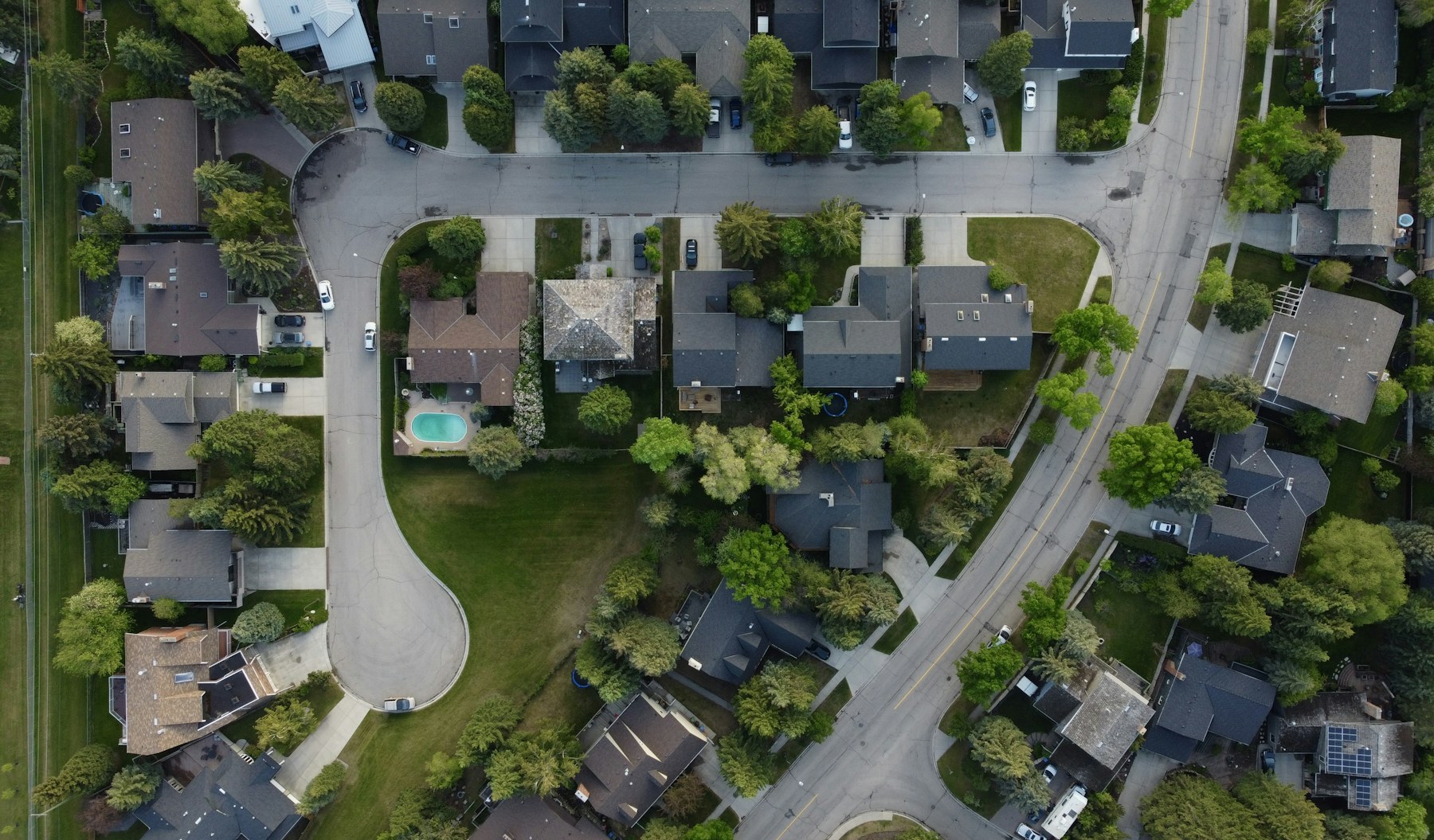
Carmel Valley's median sale price is running around $1.7 million, with homes typically going under contract in about 22 days. That headline number is the easy part to find. What it actually costs to own here, once you add Mello-Roos, HOA dues where they apply, and insurance, is the number that matters when you are comparing Carmel Valley against another neighborhood on a real budget, not just a listing price.
Who Carmel Valley actually fits
Carmel Valley was built largely as a planned community starting in the 1990s, and it shows in the infrastructure: consistent parks, a well-used community park and recreation center, and a school pipeline that feeds toward the Torrey Pines cluster, widely regarded as one of the district's strongest. Families relocating for schools specifically, or households working in the Sorrento Valley and UTC biotech and tech corridor who want a short commute without living directly on the coast, tend to be the best fit. It is less of a fit for buyers prioritizing an older, more architecturally varied streetscape, or anyone whose budget caps out well under the neighborhood's median.
The real monthly number
At the current $1.7 million median with 20% down and a 30-year fixed loan at 6.95%, principal and interest alone runs close to $9,040 a month. Add property tax at California's blended rate of roughly 1% to 1.25%, plus a typical homeowners insurance estimate, and the base mortgage payment climbs toward $10,900 before HOA or Mello-Roos.
That last part matters here specifically. Many Carmel Valley developments carry Mello-Roos, a special infrastructure assessment separate from base property tax, and the amount varies by specific development and phase rather than being uniform across the neighborhood. Pull the exact figure from a given property's current tax bill before treating any neighborhood-wide estimate as accurate, since it can meaningfully shift the true monthly cost.
What actually differentiates Carmel Valley from nearby areas
Schools. The draw to Carmel Valley for many buyers is specifically the schools feeding toward Torrey Pines High School, alongside well-regarded elementary options within the neighborhood itself. Confirm current school boundaries and ratings directly, since attendance areas can shift and ratings update annually.
Commute. Carmel Valley sits close to both Sorrento Valley and UTC, generally a short, well-under-20-minute drive outside peak congestion, which is a meaningful part of its appeal for biotech and tech workers who want proximity without a coastal price premium on top of an already-high base.
Housing stock. Because it was largely built out over a defined period, Carmel Valley's homes skew newer and more architecturally consistent than older, more eclectic San Diego neighborhoods, which some buyers prefer and others find less distinctive.
How it compares on budget
Carmel Valley's median sits well above San Diego County's overall detached-home median, which was closer to $1.09 million as of the most recent county data. Buyers working with a budget closer to that county median, or below it, will generally find more options in neighborhoods like Scripps Ranch, Rancho Bernardo, or 4S Ranch, which offer a similar family-and-schools profile at a different price point and a different commute pattern. See our companion guide to San Diego neighborhoods by budget for a fuller side-by-side.
Frequently asked questions
Is Carmel Valley a good neighborhood for families?
It is one of San Diego's most established family destinations, built around parks, a well-known community park and recreation center, and schools that feed toward the Torrey Pines cluster, one of the district's most sought-after. The tradeoff is price: Carmel Valley's median sits well above the county median.
Does Carmel Valley have Mello-Roos?
Many Carmel Valley developments do, since the neighborhood was largely built as a planned community starting in the 1990s. The amount varies significantly by specific development and phase, so always pull the exact figure from a property's current tax bill rather than assuming a neighborhood-wide number.
What is the commute from Carmel Valley to Sorrento Valley or UTC?
Both are close, typically a short drive of well under 20 minutes outside peak congestion, which is a major part of Carmel Valley's appeal for households working in the biotech and tech corridors along I-5 and Sorrento Valley Road.
How does Carmel Valley compare to Scripps Ranch for families?
Both are strong, established family neighborhoods with good schools, but they sit in different price tiers and serve somewhat different commutes. Carmel Valley skews closer to the coast and the Sorrento Valley/UTC job corridor, while Scripps Ranch sits further inland with a different freeway access pattern. A side-by-side comparison against your specific commute and budget is worth doing before choosing between them.
Next step
Want to see what a specific Carmel Valley address would actually cost per month, Mello-Roos included? Send the listing and we will run the real numbers, or get your custom San Diego home value if you are weighing a move within the neighborhood.