The Vibe
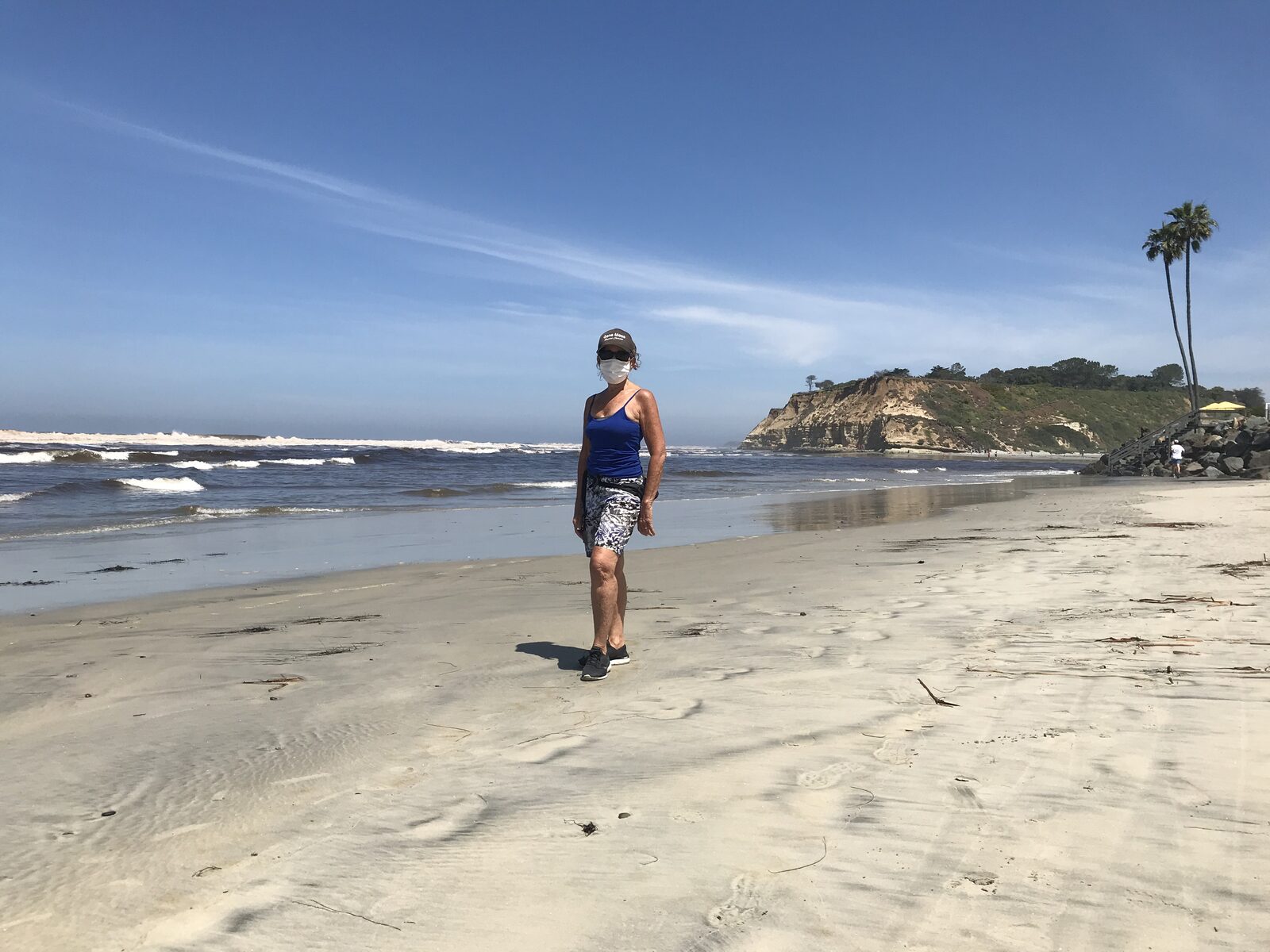
Del Mar is a strange kind of famous. It's a city of under 4,000 people that somehow has its own racetrack, its own fairgrounds, its own architectural review board, and a stretch of Camino Del Mar where you can get a five-star bowl of coffee, buy a swimsuit, and watch the sun drop into the Pacific without moving your car. People love living here for the scale of it: this is a place where the grocery run turns into three conversations, where the 15th Street stairs down to the beach are a daily ritual and not a tourist photo op, and where a $6.49M listing and a 1970s beach bungalow can sit two blocks apart without either one looking out of place. It rewards people who want their coastline compact, walkable, and slightly stubborn about staying that way.
Del Mar carries itself like a place that knows exactly what it is. The energy shifts by the block: down in the Village, along Camino Del Mar between 9th and 15th, it's cafes and boutiques and dog leashes and the particular quiet of a beach town on a Tuesday morning. Up on the bluffs and out toward Del Mar Mesa, it's quieter still. Long driveways, hedge-lined lots, the kind of privacy that costs what privacy costs in coastal North County.
Architecturally, Del Mar doesn't commit to one era. The Village core still has original early-1900s beach cottages sitting a few doors down from Mediterranean-Revival remodels with arched windows and tile roofs, and out toward the Mesa, contemporary rebuilds with big glass and clean lines are increasingly the default for anyone tearing down and starting over. Community life follows the calendar as much as the map: the Del Mar Foundation's Summer Twilight Concerts turn Powerhouse Park into a Tuesday-night ritual of blankets, wine, and ocean sunsets from June through August, the Saturday Farmers Market anchors the weekend, and every July 17th the entire village pours into fascinator hats for Opening Day at the races. "Where the Turf Meets the Surf" isn't marketing copy here, it's just what the third Friday in July looks like.
Two audiences genuinely live this neighborhood, and it's worth naming both rather than picking one. The first is retirees, empty-nesters, and high-net-worth coastal buyers drawn to the walkable Village, the low-key luxury, and a beach they can get to on foot. The second is families who've bought into the Del Mar Union/San Dieguito school system specifically, often in the newer construction pockets around Del Mar Mesa rather than the historic core, the census skews older citywide (a 55.5 median age and just 9.9% of residents under 15), but the schools zoned here are strong enough that families make the trade-off deliberately.